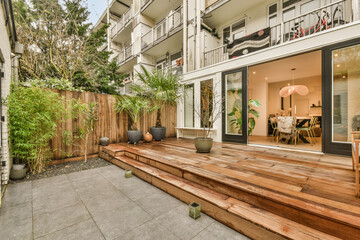
There is something timeless about stepping outside onto a well built deck. The sound of morning coffee cups, the warmth of afternoon sunlight, and the laughter of evening gatherings all feel more inviting when you have a comfortable outdoor space to enjoy. A thoughtfully designed deck extends your living area beyond the walls of your home and creates a place where memories are made. Deck building is more than just a construction project. It is an investment in lifestyle, comfort, and long term value.
Understanding the process of deck building helps homeowners plan wisely and create an outdoor space that blends beauty with durability. Visit https://jrcsi.com/ to learn more.
Why Deck Building Is a Valuable Home Improvement
Deck building enhances both functionality and visual appeal. By adding usable square footage to your property, you create a dedicated space for relaxation, entertaining, and family time. Unlike interior renovations, a deck connects you directly with the outdoors, offering fresh air and open views.
In addition to personal enjoyment, a well built deck can increase property value. Prospective buyers often view outdoor living spaces as attractive features. A sturdy and visually appealing deck adds character and versatility to a home.
Choosing to invest in deck building can provide both immediate enjoyment and long term financial benefits.
Planning Your Deck Design
The success of any deck building project begins with careful planning. Before construction starts, homeowners should consider how they intend to use the space. Will it serve as a dining area, a lounge space, or a multi purpose entertainment zone.
Design planning includes determining the deck’s size, shape, and layout. The location of doors, windows, and yard access points influences placement. Sun exposure and privacy should also be evaluated to maximize comfort.
A clear design plan ensures that the finished deck complements both the home’s architecture and the surrounding landscape.
Choosing the Right Materials for Deck Building
Material selection is a key factor in deck building. Traditional wood remains a popular choice due to its natural appearance and affordability. However, composite materials have gained popularity for their durability and low maintenance requirements.
Pressure treated lumber offers resistance to moisture and insects, while hardwood options provide rich color and strength. Composite decking resists fading and splintering, making it appealing for homeowners seeking longevity with minimal upkeep.
Balancing aesthetics, maintenance needs, and budget helps determine the best material for your deck project.
Structural Considerations and Foundation
A strong foundation is essential for safe and durable deck building. Proper footings support the structure and prevent shifting over time. The foundation must be designed to handle weight loads, including furniture and gatherings.
Framing provides the skeleton of the deck. Quality lumber and precise installation ensure stability. Decks attached to homes require secure anchoring to maintain safety.
Addressing structural considerations early in the project protects the deck’s long term performance and integrity.
Permits and Building Code Compliance
Deck building often requires permits and inspections to ensure compliance with local building codes. Regulations may address railing height, stair design, and structural requirements.
Securing permits before construction begins prevents delays and ensures that the deck meets safety standards. Compliance not only protects occupants but also supports property resale value.
Understanding and following building codes is an essential part of responsible deck construction.
Incorporating Safety Features
Safety is a priority in deck building. Railings and guardrails provide protection, especially for elevated decks. Proper stair construction with secure handrails enhances accessibility.
Non slip surfaces and adequate lighting contribute to a safer environment. Electrical installations for outdoor lighting must be performed according to safety guidelines.
By incorporating thoughtful safety features, homeowners create a deck that is both inviting and secure.
Enhancing Functionality With Design Elements
Deck building offers opportunities to incorporate design elements that enhance usability. Built in seating provides convenient gathering areas without cluttering the space with furniture. Planters and privacy screens add visual interest and comfort.
Adding a pergola or shade structure can create relief from direct sunlight. Outdoor kitchens and fire features transform a simple deck into a complete entertainment space.
Custom features elevate the deck from a basic platform to a personalized outdoor retreat.
Maintenance and Longevity
Proper maintenance extends the life of any deck. Wood decks require periodic sealing or staining to protect against moisture and sun damage. Regular inspections identify loose boards or hardware that may need tightening.
Composite decks require less maintenance but still benefit from routine cleaning. Removing debris and addressing minor issues promptly preserves appearance and performance.
Consistent care ensures that the investment in deck building continues to deliver enjoyment for years.
Budgeting for Deck Building
Budget planning is essential for a successful deck building project. Costs vary depending on size, materials, and added features. Larger decks with custom designs naturally require higher investment.
In addition to materials and labor, homeowners should account for permit fees and potential site preparation costs. Setting a clear budget and including a contingency allowance helps prevent financial surprises.
Thoughtful budgeting supports informed decisions and keeps the project on track.
Professional Construction Versus DIY
Some homeowners consider building a deck themselves to reduce costs. While basic designs may be manageable for experienced individuals, deck building involves structural considerations that require precision.
Professional builders bring expertise in foundation work, framing, and code compliance. Their experience reduces the risk of mistakes that could compromise safety.
Choosing professional construction often results in higher quality outcomes and greater peace of mind.
Maximizing Outdoor Living Potential
Deck building creates an opportunity to redefine how you use your outdoor space. With thoughtful planning, a deck can serve as an extension of your indoor living areas.
Coordinating outdoor furniture, lighting, and landscaping enhances the overall experience. Blending the deck with natural surroundings creates harmony between the home and yard.
A well designed deck encourages more time spent outdoors and fosters meaningful connections with family and friends.
Increasing Property Value and Appeal
Beyond personal enjoyment, deck building can improve a home’s market appeal. Buyers often appreciate outdoor spaces that are ready for entertaining and relaxation.
A professionally built deck with quality materials signals durability and thoughtful design. This added feature can make a property stand out in competitive markets.
Investing in deck building supports both lifestyle enhancement and long term property value.
Conclusion
Deck building is a rewarding home improvement project that transforms outdoor space into a functional and inviting extension of the home. From careful planning and material selection to structural integrity and safety compliance, each stage contributes to a successful outcome.
With proper design and maintenance, a deck becomes more than a construction addition. It becomes a gathering place, a retreat, and a setting for lasting memories. By approaching deck building with preparation and thoughtful decision making, homeowners can create an outdoor living space that combines beauty, durability, and comfort for years to come.